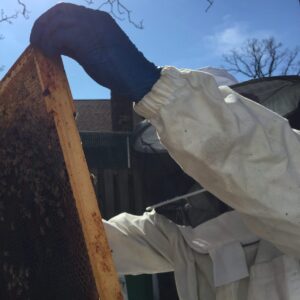
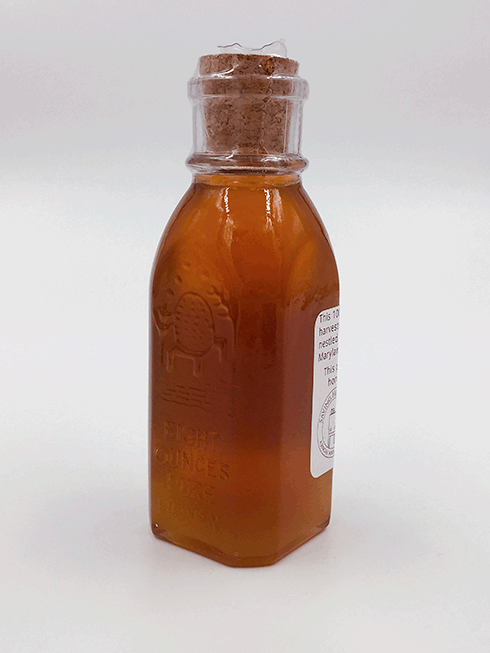
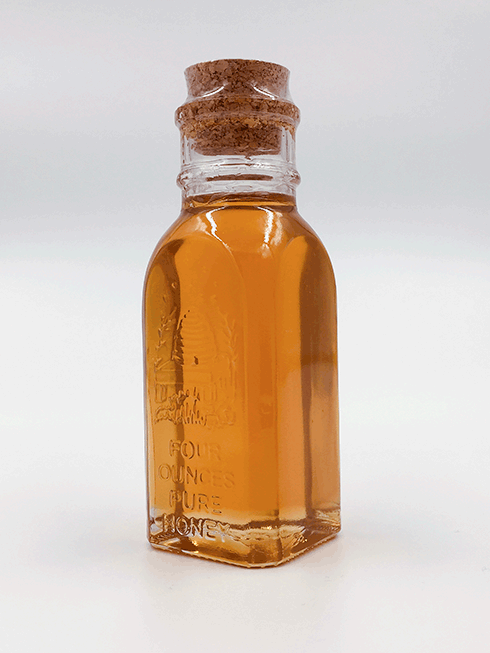
As we step into September here in the Mid-Atlantic, the hum around the hives begins to shift. The buzz softens. The pace slows. The honey bee’s summer of abundance is ending. The nectar flow is winding down. Goldenrod and Asters, those often-overlooked roadside blooms, are the last resources of the season.
Fall is a time of preparation in the hive.
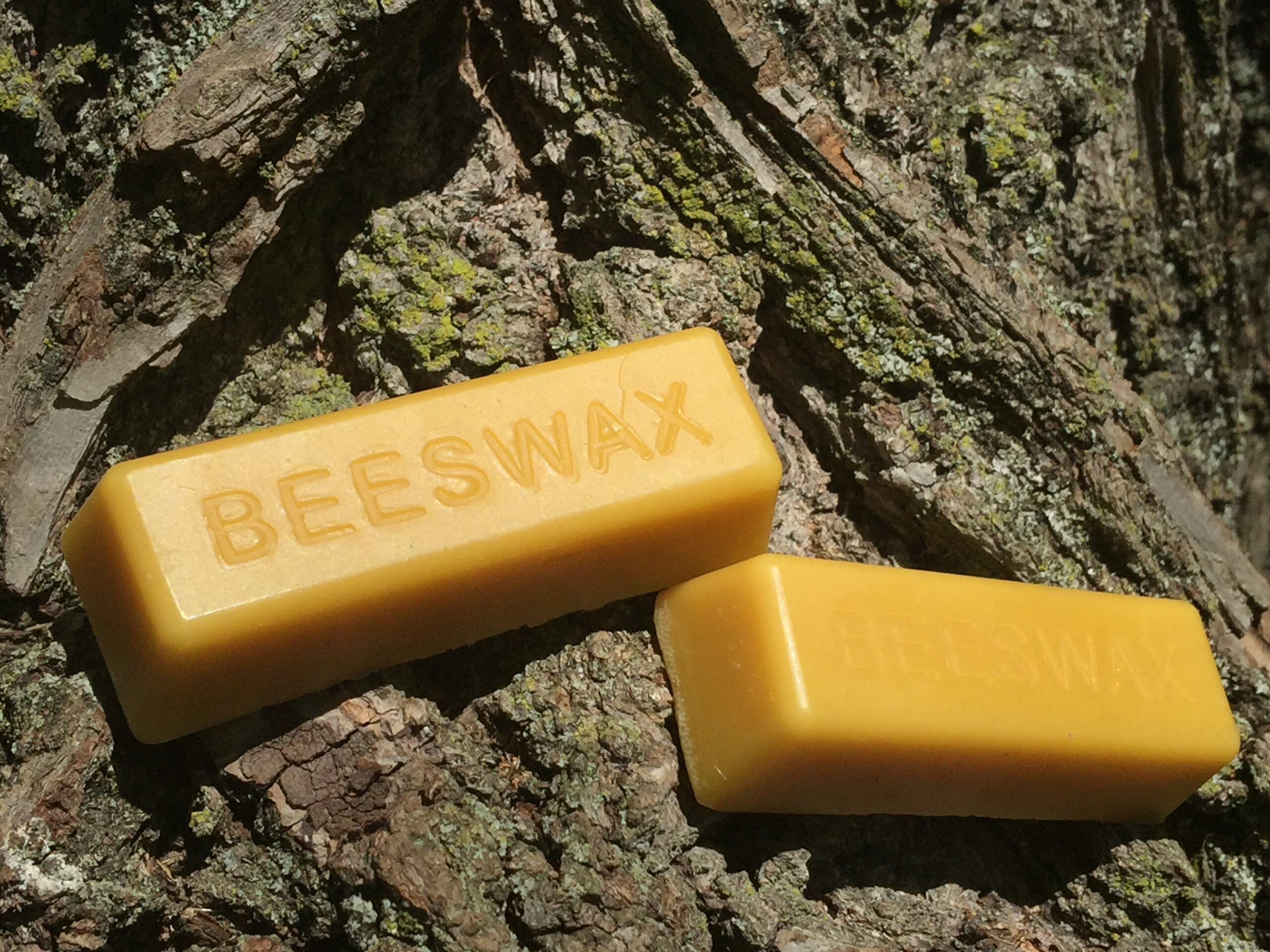
The queen lays fewer eggs. The drones, the male bees, are cast out. The worker bees seal cracks with propolis, a sticky resin they make by mixing tree sap with beeswax and enzymes. It acts like glue, helping to insulate, seal, and protect the hive. They move their food stores onto the combs where they will cluster together during the long winter months.
The rhythm shifts from the high-pitched buzz of summer to the quiet hum of the winter slumber.
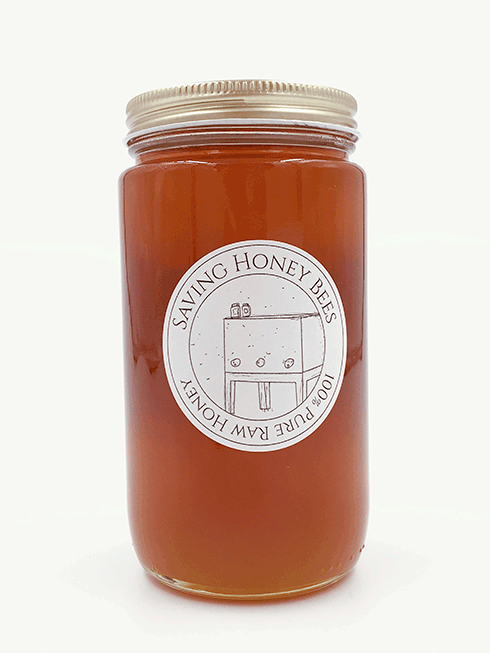
I find myself doing the same. Bottling honey. Raking leaves. Sealing up the windows. Reflecting on my own space and asking:
Is where I live still feeding me?
Will it support my next season?
Whether you are in a city apartment above the hum of it all or tucked back where the trees speak louder than traffic, take a moment this season to listen to your home and to your own rhythm of the seasons. Is it still feeding you?
The right home isn’t just about square footage, countertops, or curb appeal. It’s a feeling. It’s a season of your life, reflected in a space.
And just as the bees prepare their homes for winter, we too can act with intention in our own spaces. Thoughtful choices connect us not only to nature, but to the deeper rhythm within ourselves. It’s often easier than we think—and it starts right where we are.
How You Can Help the Bees This Fall
You don’t have to be a beekeeper to make a difference.
Here are a few easy ways to support honey bees and other pollinators this season:
- Don’t mow your goldenrod.
Goldenrod is often mistaken for ragweed, which causes allergies. But goldenrod is a critical late-season nectar source for bees. Let it bloom.
- Leave your asters wild.
Those white or purplish flowers in your yard are the bees’ final buffet before winter. Many people think honey is the bees’ main food source, but it’s actually pollen. Asters provide a rich late-season pollen supply that bees pack in for winter. - Plant trees that feed the bees.
Honey bees are tree insects. Their most valuable nectar sources often come from trees. A mature tree can offer as much nectar as an acre of wildflowers. If you have space, consider planting tulip poplar, black locust, maple, or basswood. These are incredibly important early-season food sources for bees. - Skip the fall cleanup.
Leaving some leaf litter and dead stems in your yard provides vital habitat for native bees and overwintering insects. - Say no to chemicals.
Avoid pesticides, even natural ones. If you garden, choose bee-safe practices like companion planting. Roses love garlic and so do bees!
Every small act of awareness helps. Every yard, garden, and balcony matters. Thank you for doing your part in saving honey bees.
From the hive,
Richie